






...
Skip links

5 Mistakes in As-Built Drawings That Cost Renovation Projects Thousands

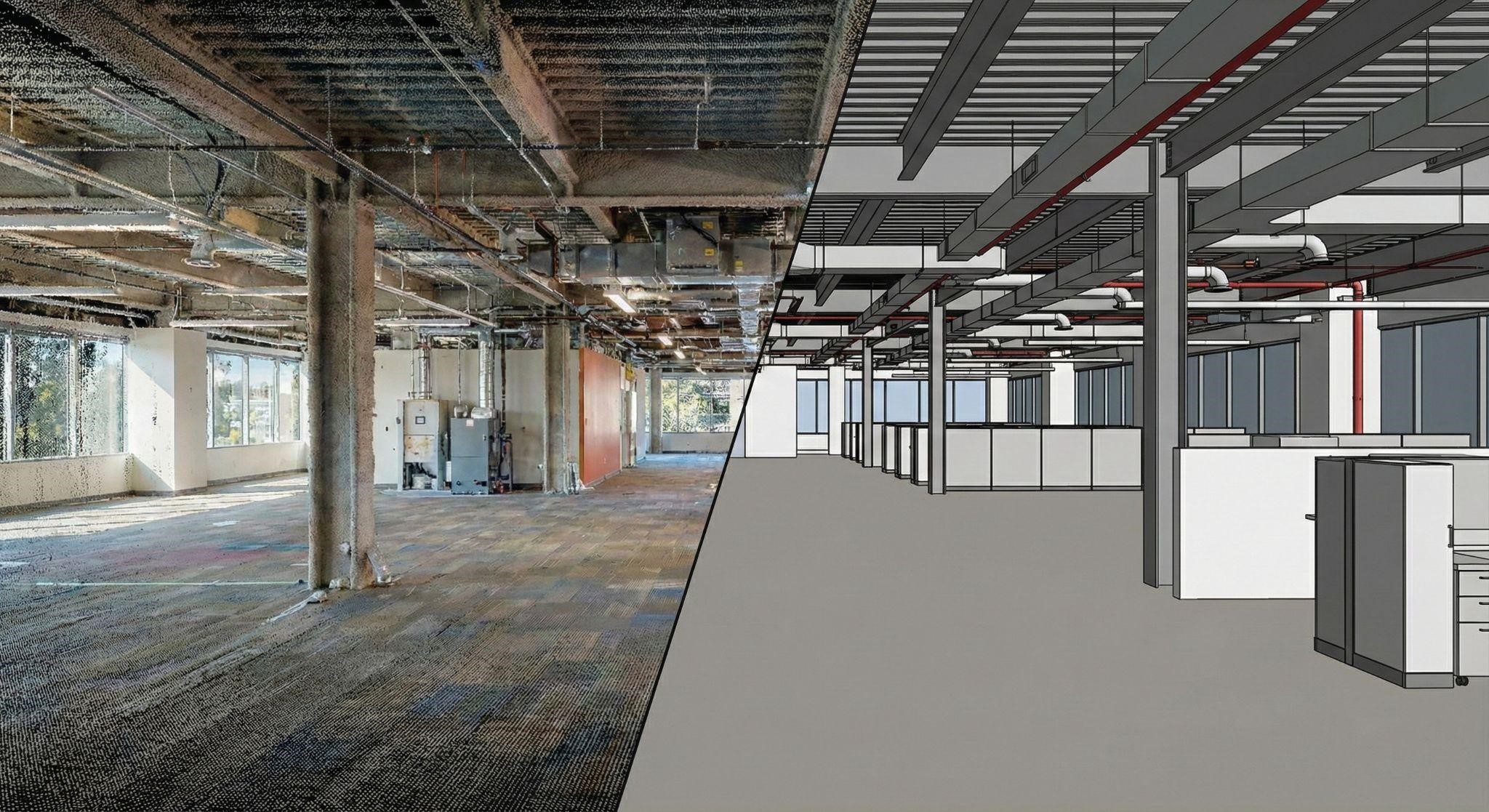
Point cloud and 3D BIM model comparison of interior office space created from LiDAR laser scanning

Most firms will quote you a price for as-built plans before you’ve ever seen what a professional set should look like.

That’s backwards.

Before hiring any documentation provider, understand what separates reliable as-built drawings from plans that create RFIs and change orders. Includes a professional evaluation checklist.

Across commercial renovation and tenant improvement projects, the same documentation failures appear again and again.

Here are the five most common as-built drawing mistakes — and how to recognize them.  

Mistake #1: Incomplete Field Capture

One of the most expensive failures in as-built documentation begins in the field.

Common shortcuts include:

  • Skipping above-ceiling conditions
  • Avoiding roof access
  • Ignoring tight mechanical rooms
  • Failing to document concealed structural elements

When areas are skipped, they don’t just disappear — they reappear during construction.

Unexpected ductwork.
Hidden framing conflicts.
Unknown equipment clearances.

Professional documentation starts with a defined capture strategy, not convenience-based scanning.

If a provider cannot clearly explain what areas are included in field documentation, that is a red flag. 

Mistake #2: Loose Registration Tolerances

All digital documentation relies on aligning multiple scans together into one unified dataset.

If that alignment — called registration — is loose, geometry may look correct at first glance but be slightly off.

Even small deviations can create:

  • Misaligned walls
  • Structural framing discrepancies
  • MEP coordination conflicts
  • Door openings that don’t match reality

When evaluating as-built documentation, ask:

What registration tolerance do you maintain?

A vague answer usually indicates minimal verification standards.

Mistake #3: Extrapolated or “Cleaned-Up” Geometry

This is one of the most common problems in as-built plans.

Corners get squared.
Walls get straightened.
Irregularities get “corrected.”
Curves get simplified.

The drawing looks clean.

But it no longer reflects reality.

As-built documentation is not design intent — it is a record of existing conditions.

If geometry is adjusted for aesthetic clarity instead of modeled from verified data, downstream design teams inherit risk.

Mistake #4: Weak Dimension Strategy

A drawing without a clear dimension framework is incomplete.

We frequently see documentation missing:

  • Overall building dimensions
  • Structural grid references
  • Clear wall thickness callouts
  • Control dimensions tied to fixed datums
  • Vertical height references

Without consistent dimension standards, teams cannot confidently rely on the documentation.

A professional set should allow an architect or engineer to design directly from it — without guesswork. 

Mistake #5: No Defined QA/QC Process

The most overlooked mistake isn’t visible on the sheet — it’s procedural.

Many documentation providers:

  • Deliver files without internal review
  • Do not validate models against source data
  • Skip cross-checks before issuing final sets

Documentation is only as strong as the verification process behind it.

Before hiring anyone, ask:

  • How do you validate your drawings?
  • Do you compare deliverables back to raw source data?
  • Is there a documented quality control review?

If the answer is unclear, the risk is yours.

How to Evaluate As-Built Documentation Before Hiring Anyone
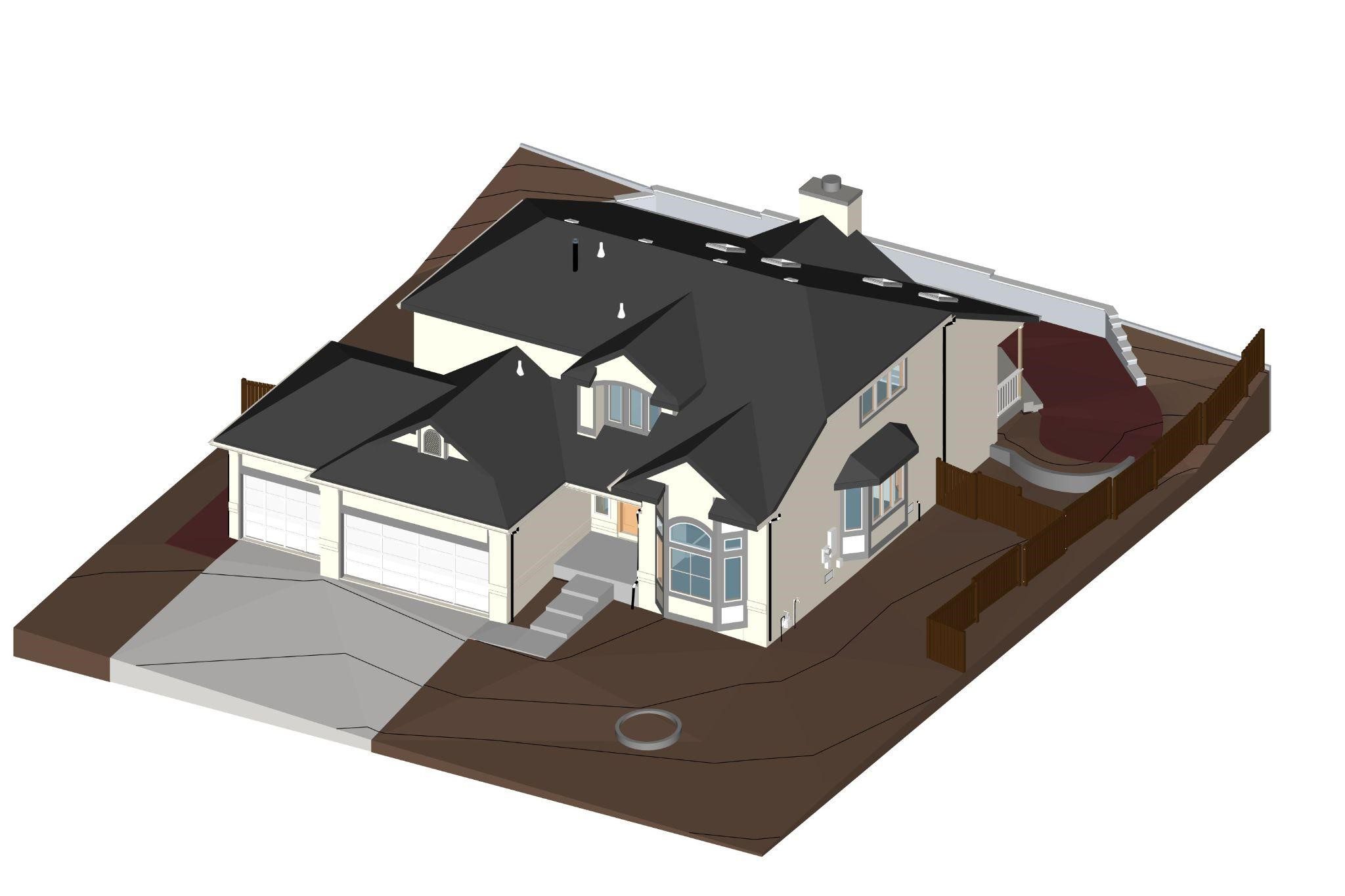
3D BIM model of residential home created from LiDAR laser scanning data

Before approving a proposal, request:

  1. A real sample sheet from a commercial project
  2. A description of field capture scope
  3. Registration tolerance standards
  4. Dimensioning methodology
  5. An explanation of QA/QC workflow

If those cannot be clearly provided, you are buying drawings — not documentation.

There is a difference.

Final Thought

Renovation risk rarely begins in the field.

It begins in the documentation.

Understanding how to evaluate as-built plans before you hire a provider can prevent thousands in avoidable construction costs.

And that decision is worth getting right. 

Frequently Asked Questions

As-built drawings are the documented record of a building’s existing conditions — including walls, structural elements, mechanical systems, and spatial dimensions — as they were actually constructed, not as originally designed.
Architects, engineers, and contractors use as-built drawings as the baseline for renovation, tenant improvement, and capital planning projects.
Inaccurate or incomplete as-built documentation is one of the leading causes of construction RFIs and change orders on commercial projects.

  • To evaluate any as-built documentation provider before hiring, request these five things:
    A real sample sheet from a completed commercial project
  • A clear description of field capture scope (including above-ceiling and concealed areas)
  • Registration tolerance standards used to align scan data
  • A defined dimensioning methodology
  • A written explanation of the QA/QC review process 
  • A provider who cannot clearly answer those five questions introduces measurable risk to your project.

Inaccurate as-built drawings create a false baseline that design teams rely on throughout the life of a project.
When field conditions do not match documentation, conflicts are discovered during construction — leading to RFIs, field modifications, schedule delays, and change orders that were entirely avoidable.
On commercial renovation and tenant improvement projects, a single documentation failure can cost more than the original documentation contract many times over.