
Here’s a question that comes up on almost every commercial project — usually at exactly the wrong moment: who is actually responsible for as-built drawings?
It surfaces during closeout when the GC and architect are pointing at each other. It comes up mid-renovation when an owner can’t locate any record of what was built. It gets asked by facility managers who have just inherited a building with zero documentation.
The answer isn’t as simple as most people expect. Responsibility for as-built drawings isn’t assigned to a single party by a universal standard. It shifts depending on the project type, the contract language, the delivery method, and frankly — who on the team actually cares enough to enforce it.
This guide breaks down who is typically responsible at each stage, where accountability gets blurry, and what happens when as-built drawings are produced after construction rather than during it.
Quick Answer: Who Is Responsible for As-Built Drawings?
The general contractor is most commonly the party responsible for producing and maintaining as-built drawings during new construction — but contract language, project type, and delivery method all affect how that responsibility is assigned. On existing buildings, responsibility typically falls on the building owner or whoever is commissioning documentation for a renovation, permit, or facility management purpose. When as-builts are needed retroactively with verified accuracy, owners and project managers increasingly hire a third-party as-built documentation provider — removing the ambiguity entirely.
In Most Cases, Who Maintains As-Built Drawings?
This is one of the most commonly searched questions about as-built responsibility — and it comes up frequently in construction education and contract administration.
In most cases, a set of as-built drawings is maintained by the general contractor during construction. The GC is responsible for tracking field deviations and keeping a marked-up set of drawings current throughout the project.
However, multiple parties contribute to and maintain as-built documentation:
General Contractor:
Maintains field redlines and marked-up drawings throughout construction. Responsible for collecting and consolidating subcontractor markups at closeout.
Subcontractors:
Each trade — mechanical, electrical, plumbing — maintains markups for their own systems. MEP subcontractors are typically required to submit marked-up as-built drawings as part of their closeout deliverables.
Architect of Record:
Incorporates GC and subcontractor markups into clean record drawings at project closeout — when their contract scope includes this service.
Building Owner:
Receives and maintains the final as-built documentation package as part of project closeout. Responsible for verifying completeness before releasing final payment.
The correct answer to “who maintains as-built drawings” depends on the project stage: during construction it is primarily the GC; at closeout it transitions to the owner or facility management team.
Not sure what as-built drawings are in the first place? See our guide: What Are As-Built Drawings? (Meaning + Definition)
Why “Who Is Responsible” Is a More Complex Question Than It Sounds
Construction projects involve a lot of parties — owners, architects, engineers, general contractors, subcontractors, and facility teams. Most of them have a legitimate stake in as-built documentation. Very few of them are enthusiastic about producing it.
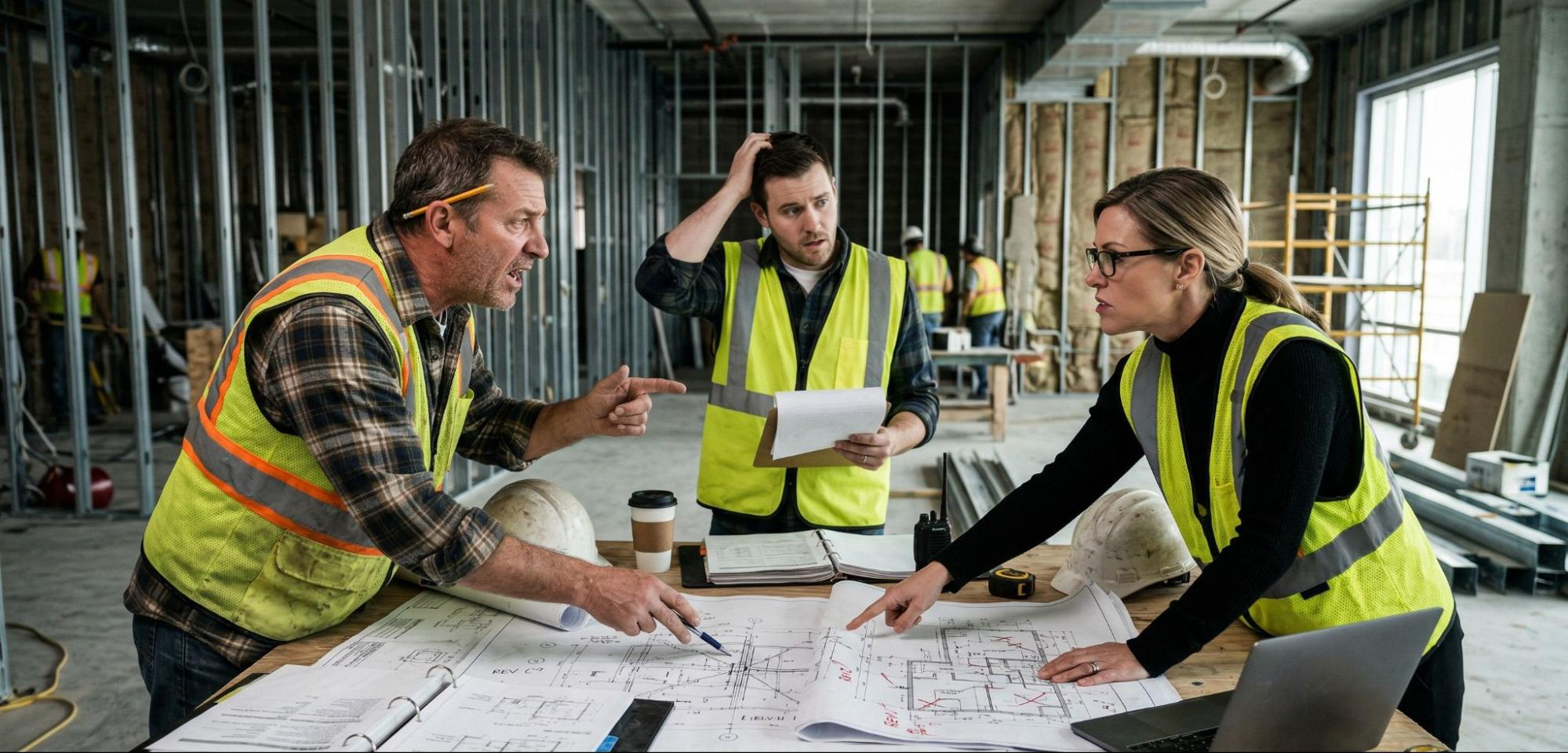
The result is a responsibility gap that shows up at the end of nearly every project. Everyone assumed someone else was handling it. The GC thought the architect was updating the drawings. The architect thought the GC’s field markups were sufficient. The owner accepted closeout documents without verifying what was actually included.
Three to five years later, a renovation is underway and nobody can find accurate documentation of what’s inside the walls.
The documentation problem doesn’t come from bad intentions — it comes from unclear assignment of responsibility, and from as-built drawings being treated as an afterthought rather than a deliverable.
Related:As-Built Drawings Procedure: Here’s Exactly How It Works, Step by Step — understand how the documentation process unfolds before deciding who should own it.
Who Is Responsible During New Construction?
The General Contractor
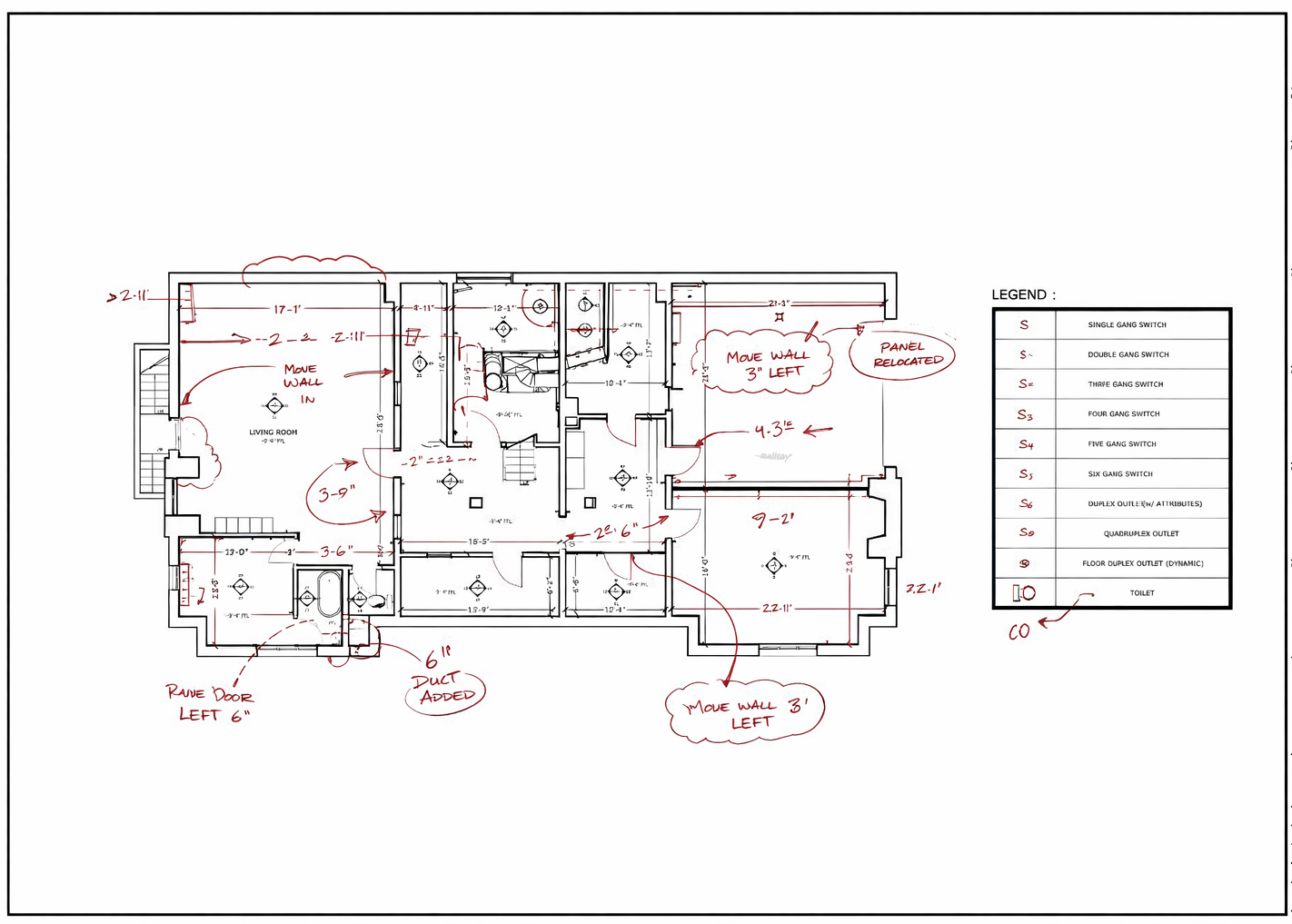
In most new construction contracts, the general contractor holds primary responsibility for as-built drawings. This typically means maintaining a set of field-marked redline drawings throughout construction — annotating deviations from the original design documents as they occur.
What that looks like in practice varies considerably. On well-run projects with a dedicated superintendent, field markups are kept current and handed over at closeout. On projects where as-builts weren’t prioritized from day one, the GC submits whatever field notes exist and calls it done.
The quality of GC-produced as-built drawings depends almost entirely on whether the requirement was clearly specified in the contract, whether the team was held to that standard throughout construction, and whether the closeout process included actual verification.
The Architect
Architects are often responsible for incorporating the GC’s field markups into the design documents — producing what’s sometimes called “record drawings.” This is a distinct deliverable from the GC’s redlines, though the two terms are frequently confused in practice.
Whether the architect actually takes on this role depends on their contract scope. In some project delivery structures, the architect of record produces a full set of drawings reflecting final conditions. In others, the GC’s markups are the only documentation that exists at project completion.
Related: As-Built Drawings vs Record Drawings: What’s the Actual Difference? — if you’re unclear on the distinction between these two deliverables, this is worth reading before your next closeout conversation.
Subcontractors
Mechanical, electrical, and plumbing subcontractors are often required by the GC to maintain their own as-built markups for the systems they install. MEP documentation is frequently the most valuable part of the as-built package — and the most inconsistently delivered.
When a subcontractor performs work that deviates from the design documents — routing a duct run differently to clear a structural obstruction, re-locating a panel due to clearance issues, re-routing plumbing to avoid a conflict — that change needs to be recorded. Whether it gets recorded reliably depends on the subcontract language and how closely the GC manages the documentation requirement.
Who Actually Enforces It?
This is the real question. The GC is responsible for producing as-builts. The architect may be responsible for incorporating them. Subcontractors are responsible for their systems. But who verifies the deliverables before closeout?
On most projects, the owner does — or should. The building owner is the ultimate recipient of the documentation and has the clearest interest in receiving accurate, complete as-built drawings. An owner who reviews and accepts a closeout package without verifying the as-built documentation has effectively absorbed the risk of whatever gaps exist.
Owners who hire an owner’s representative, project manager, or commissioning agent to manage closeout are in a better position to enforce documentation requirements before final payment is released.
As-Built Drawing Responsibility Checklist for Owners
If you are the building owner or owner’s representative, here is a practical checklist for ensuring as-built drawings are properly assigned, produced, and delivered:
Before Construction Starts:
- Confirm as-built drawing requirements are explicitly stated in the GC contract
- Define the deliverable format: PDF redlines, CAD files, or Revit model
- Specify which parties are responsible for which systems: architectural, structural, MEP
- Include as-built delivery as a condition of final payment release
During Construction:
- Verify that field markups are being maintained at site visits
- Confirm subcontractors are tracking MEP deviations in their own sets
- Address documentation gaps before closeout — not during it
At Closeout:
- Review the as-built package before releasing final payment
- Verify all spaces are documented
- Confirm file formats are usable by your design and facility teams
- Archive drawings in a location accessible to future project teams
After Occupancy:
- Update as-built drawings after any tenant improvements or system modifications
- Commission a new as-built survey when documentation is more than 5 years old or after major renovations
- Maintain a current set for every property in your portfolio
As-Built Drawing Responsibility by Contract Type
Contract delivery method significantly affects how as-built responsibility is assigned. Here is how it typically works across the most common commercial project delivery structures:
Design-Bid-Build (Traditional)
The GC holds primary responsibility for field markups. The architect of record is often contracted separately to produce record drawings incorporating those markups. The owner receives both deliverables at closeout.
Design-Build
The design-build contractor holds responsibility for both the design documents and the as-built record. This structure can simplify responsibility assignment — but owners should still verify that the contract explicitly requires field-verified as-built documentation, not just updated design drawings.
Construction Management (CM at Risk)
The construction manager typically holds the same as-built responsibility as a GC in a traditional delivery. The design team and CM should both be required to deliver coordinated closeout documentation.
Owner-Direct / Multiple Prime
When an owner contracts directly with multiple prime contractors, as-built responsibility must be explicitly assigned in each contract. Without a GC to coordinate the overall documentation package, gaps are common — particularly for MEP systems where multiple trades work in the same spaces.
Key Takeaway:
Regardless of delivery method, the owner should confirm in writing before the project starts — not at closeout — exactly who is responsible for producing, maintaining, and delivering the final as-built documentation, and in what format.
Who Is Responsible for As-Built Drawings on Existing Buildings?

For buildings that are already standing, the question of responsibility shifts completely.
There’s no GC maintaining field markups. There may be no architect of record currently engaged. Whatever documentation exists — original blueprints, past renovation drawings, permit submittals — may be decades old, incomplete, or simply unavailable.
In this context, the party responsible for as-built drawings is the party who needs them.
Building Owners and Facility Managers
Commercial building owners and facility managers routinely discover they don’t have accurate documentation of their own properties. This becomes urgent during a renovation, a lease transaction, a refinancing, a sale, or a code compliance review — moments when accurate floor plans and MEP documentation suddenly matter a great deal.
In these situations, the owner takes on responsibility for commissioning as-built documentation — which means hiring a provider capable of producing verified drawings of the building as it currently exists.
Owners, PMs and General Contractors Preparing for Renovation
Architects and project managers preparing renovation documents for an existing building frequently need to commission their own as-built survey. The existing drawings may not reflect current conditions. Rather than designing from outdated documentation and discovering discrepancies in the field, it’s standard practice to have the space laser-scanned and documented before the design process begins.
In this case, responsibility for producing current as-builts sits with whoever is initiating the project — usually the owner, the architect, or the GC depending on the project delivery structure.
What Happens When the Responsibility Gap Isn’t Closed
The documentation gaps created when as-built responsibility isn’t clearly assigned and enforced don’t stay abstract. They create real costs downstream.
Renovation projects designed from inaccurate or incomplete as-builts generate field conflicts when contractors open walls and discover conditions that don’t match the drawings. Those conflicts produce change orders, schedule delays, and disputes about who is responsible for the additional cost.
Permit submittals based on outdated drawings get flagged by the authority having jurisdiction when site conditions don’t match. Facility management teams make decisions about building systems based on documentation that hasn’t been updated since the original construction. MEP routing decisions are made without complete information.
Each of these problems traces back to the same root cause: nobody was clearly responsible for verifying that the as-built documentation actually reflected existing conditions.
Why More Owners Are Hiring Third-Party Documentation Providers
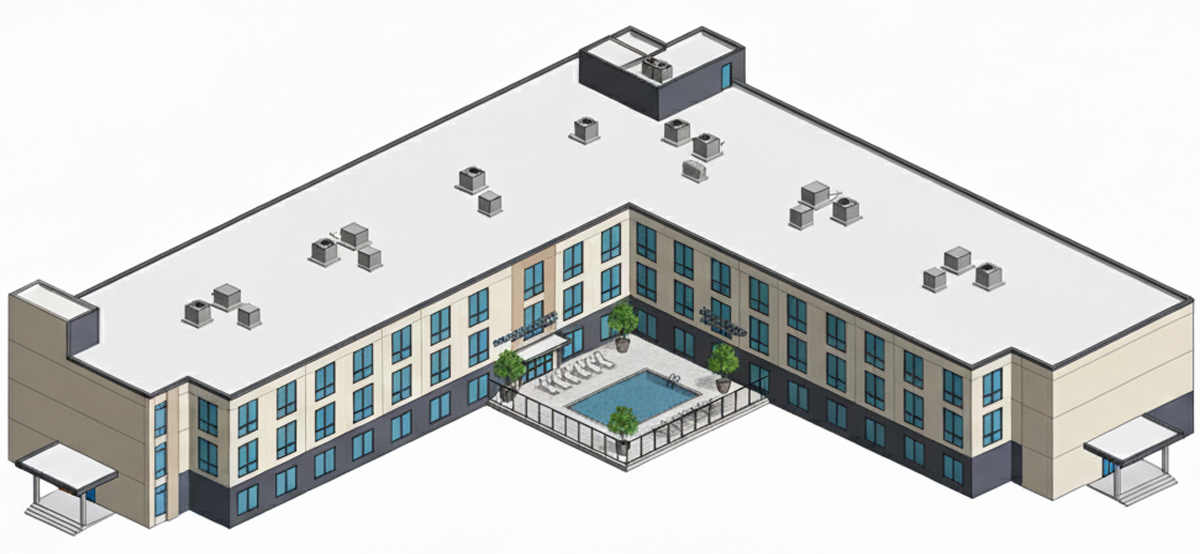
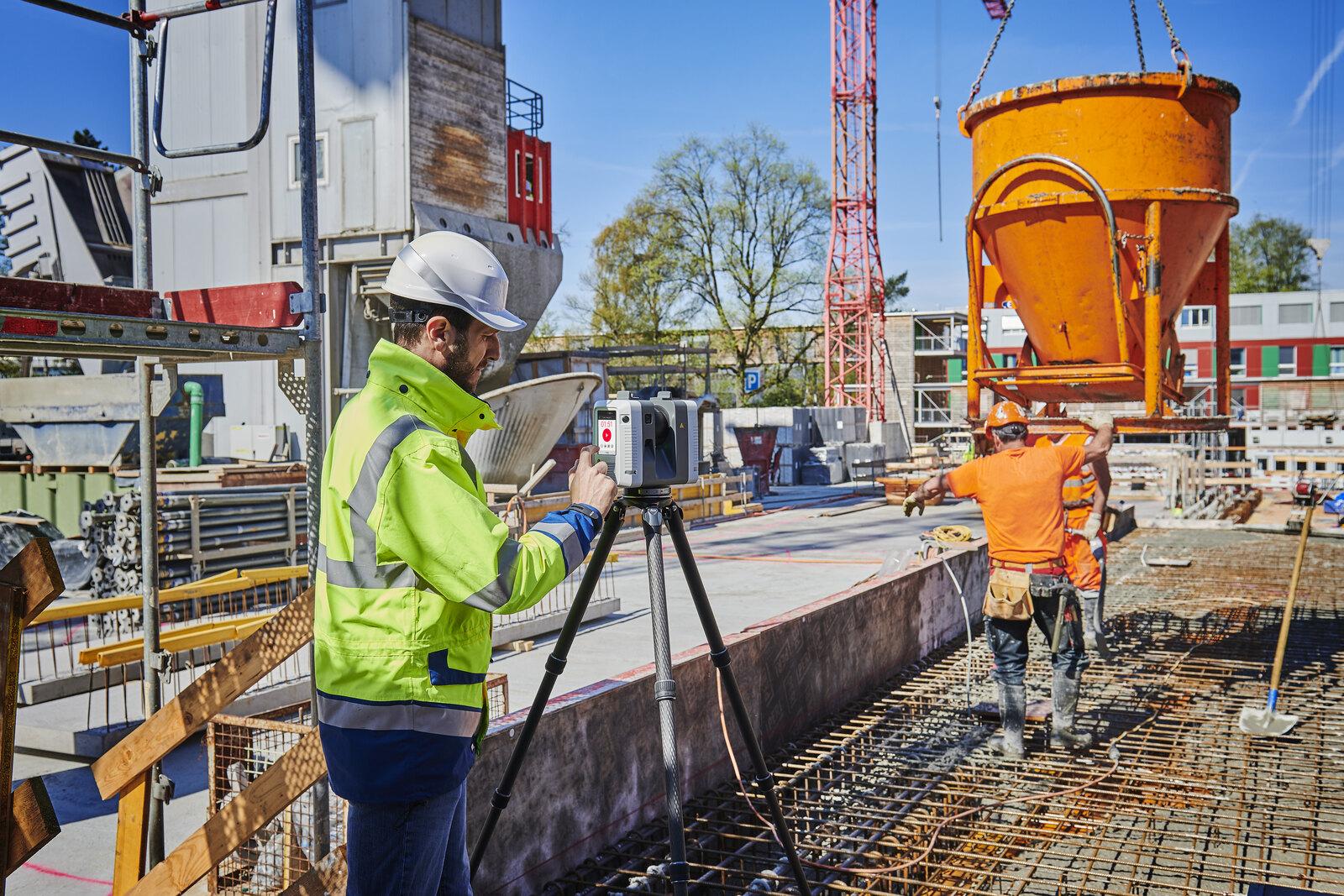
The cleanest way to resolve the responsibility question on an existing building is to remove the ambiguity entirely. Rather than relying on aging drawings or requesting as-builts from a contractor who may or may not deliver a complete set, owners and project managers hire a dedicated as-built documentation provider to scan and document the space before a project begins.
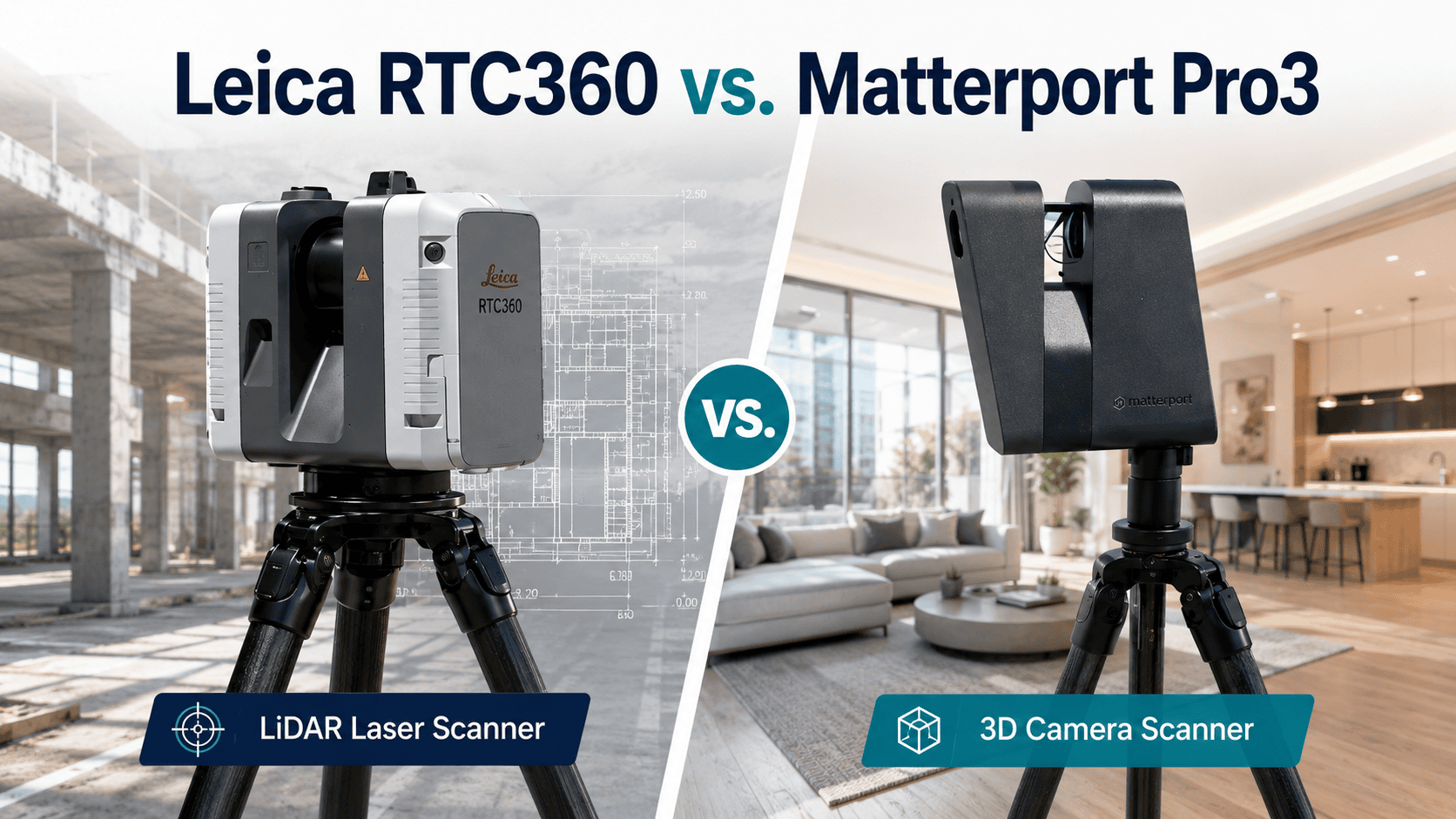
At LiDAR Precise Plans, every as-built project starts with a professional-grade 3D laser scan that captures the building as it currently exists — walls, ceilings, MEP systems, structural conditions — to within ±2mm accuracy. The CAD or Revit deliverables are drafted directly from the verified point cloud, independently QA’d before delivery, and archived for six months.
That approach removes the documentation gap from the equation. There’s no question about whether the drawings reflect current conditions, because they were produced from a field-verified scan of the building — not from old blueprints or someone’s recollection of what was built.
Need documentation for an existing building before your next project kicks off? See: How to Get As-Built Drawings (From a Professional Provider) — a full walkthrough of how the process works and what to expect.
Summary: Who Is Responsible for As-Built Drawings?
The responsibility for as-built drawings depends on where you are in the project lifecycle. During new construction, it typically falls on the general contractor — with the architect often responsible for incorporating field markups into record documents, and the owner responsible for verifying the deliverables at closeout. On existing buildings, responsibility falls on whoever needs the documentation: the owner, the facility team, or the design and construction professionals preparing for the next project.
What stays consistent across every scenario is that as-built documentation is only valuable when it’s accurate, and it’s only accurate when someone takes clear ownership of producing and verifying it.
LiDAR Precise Plans produces field-verified as-built documentation for commercial properties across Las Vegas, Phoenix, Los Angeles, San Francisco, Denver, Salt Lake City, and Austin. Every project starts with a 3D laser scan — not old blueprints or assumptions — and is delivered in AutoCAD, Revit, and PDF formats with two-person QA and a fixed-price proposal returned in 24 hours.
→ Learn more about our As-Built Drawings Service → See As-Built Drawings Cost: Factors + Ranges → Get a free quote — returned within one business day
Related Reading:
- What Are As-Built Drawings? (Meaning + Definition)
- As-Built Drawings vs Record Drawings: What’s the Actual Difference?
- As-Built Drawings Procedure: Here’s Exactly How It Works
- How to Get As-Built Drawings (From a Professional Provider)
Frequently Asked Questions: